
The Participating States of the Wassenaar Arrangement are:
Argentina, Australia, Austria, Belgium, Bulgaria, Canada, Croatia, Czech Republic, Denmark, Estonia, Finland, France, Germany, Greece, Hungary, India, Ireland, Italy, Japan, Latvia, Lithuania, Luxembourg, Malta, Mexico, Netherlands, New Zealand, Norway, Poland, Portugal, Republic of Korea, Romania, Russian Federation, Slovakia, Slovenia, South Africa, Spain, Sweden, Switzerland, Türkiye, Ukraine, United Kingdom and United States.
The Wassenaar Arrangement has been established in order to contribute to regional and international security and stability, by promoting transparency and greater responsibility in transfers of conventional arms and dual-use goods and technologies, thus preventing destabilising accumulations. Participating States seek, through their national policies, to ensure that transfers of these items do not contribute to the development or enhancement of military capabilities which undermine these goals, and are not diverted to support such capabilities. The aim is also to prevent the acquisition of these items by terrorists.
Participating States apply export controls to all items set forth in the List of Dual-Use Goods and Technologies and the Munitions List, with the objective of preventing unauthorized transfers or re-transfers of those items.
To assist in developing common understandings of transfer risks, Participating States regularly exchange information of both a general and a specific nature. Participating States are required to report their arms transfers and transfers/denials of certain dual-use goods and technologies to destinations outside the Arrangement on a six-monthly basis. In some cases, shorter reporting time-frames apply.
In fulfilling the purposes of the Arrangement as described above, Participating States have, inter alia, agreed to a number of guidelines, elements and procedures as a basis for decision-making through the application of their own national legislation and policies.
The decision to transfer or deny the transfer of any item is the sole responsibility of each Participating State. All measures with respect to the Arrangement are taken in accordance with national legislation and policies and are implemented on the basis of national discretion. For specifics on Export Controls in Participating States National Contacts.
Representatives of Participating States meet regularly in Vienna where the Wassenaar Arrangement has established its headquarters and a small Secretariat.
The Wassenaar Arrangement Plenary is the decision-making body of the Arrangement. It is composed of representatives of all Participating States and normally meets once a year, usually in December. The position of Plenary Chair is subject to annual rotation among Participating States. All Plenary decisions are taken by consensus.
The Plenary establishes subsidiary bodies for the preparation of recommendations for Plenary decisions and calls ad hoc meetings for consultations on issues related to the functioning of the Wassenaar Arrangement. At present, the main Wassenaar Arrangement subsidiary bodies are: the General Working Group (GWG) dealing with policy-related matters, and the Experts Group (EG) addressing issues related to the lists of controlled items. Once a year, a Licensing and Enforcement Officers Meeting (LEOM) is held.
Vienna Points of Contact (VPOC) are called for periodic meetings under the Plenary Chair to facilitate intersessional information flow and communications between/among Participating States and the Secretariat.
The current Head of Secretariat is Ambassador György Molnár (Hungary).
The Wassenaar Arrangement:
The founding document of the Wassenaar Arrangement is known as the “Initial Elements”. The Initial Elements were originally established in 1996 and set out the purposes and scope of the Arrangement. They also cover the Wassenaar Arrangement’s approach on:
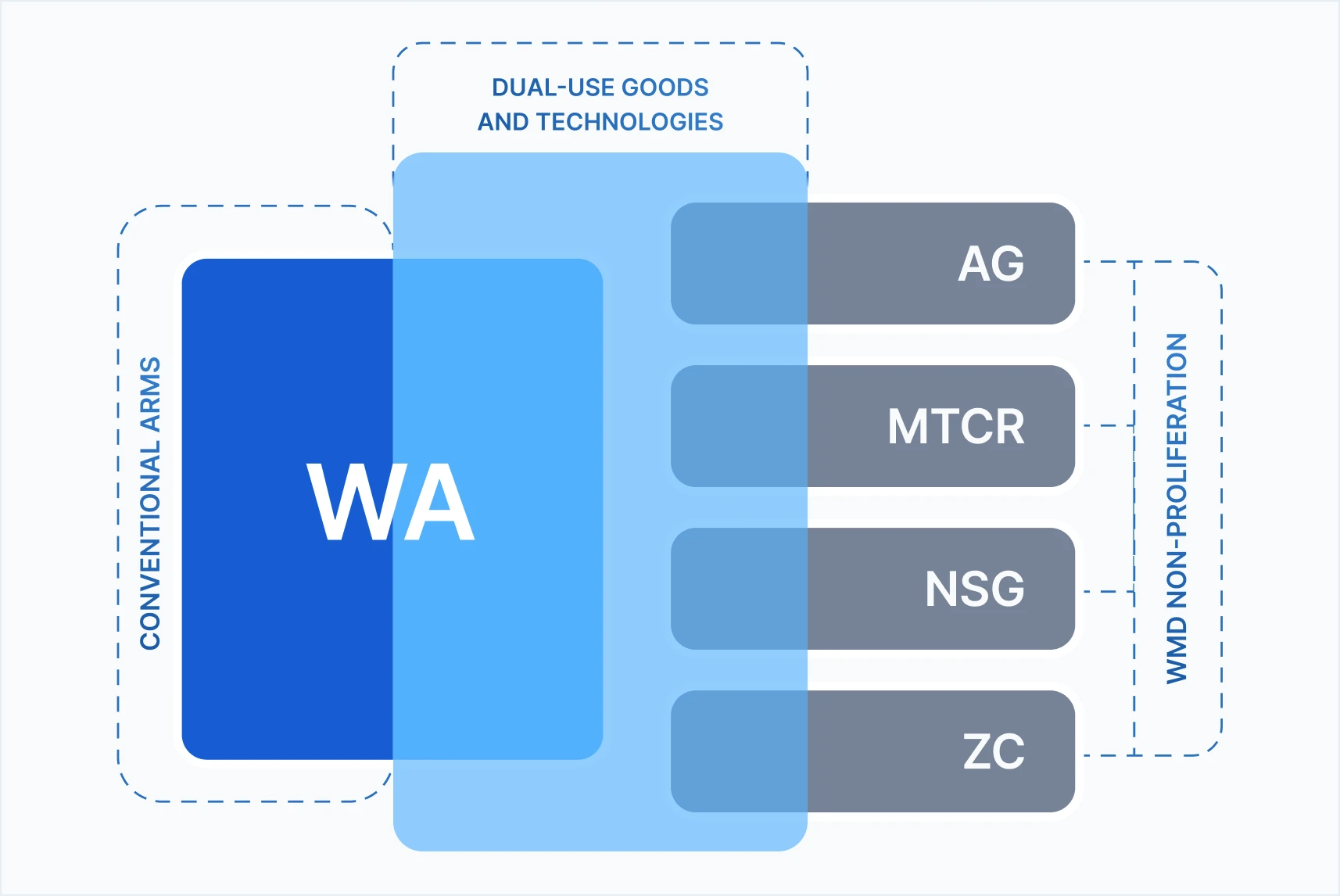
Abbreviation legend
The WA Participating States:
Contains 22 main entries on items specially designed for military use, such as (but not limited to):
For comprehensive details please refer to the ‘Munitions List’ on the present Website.
General Technology and General Software Notes
(For details, see the Initial Elements – Sections II/4, V and VI.)
See the:
(as defined in Appendix 3 to the Initial Elements)
The Wassenaar Arrangement conducts a variety of outreach activities aimed at encouraging broad adoption of WA standards and promoting effective national export control systems.
The Wassenaar Arrangement organizes two regular collective outreach events in Vienna for interested outreach partners (currently 45 countries):
Periodically the Wassenaar Arrangement organises outreach seminars and workshops or other events.
The Wassenaar Arrangement also conducts outreach dialogue with individual countries and from time to time may undertake bilateral outreach visits upon invitation from an interested country, as agreed by the Wassenaar Arrangement Plenary.
The WA Secretariat interacts on a regular basis with a variety of international and regional organisations engaged in related activities. In addition, the Arrangement has contacts with other export control regimes on specific control list issues of a technical nature.
Other activities to raise awareness of the Wassenaar Arrangement’s work include seminars, workshops and participation in international conferences in various parts of the world which often include representatives from industry and academia, as well as governments. A number of Wassenaar Arrangement Participating States also undertake export controls-related outreach on a national or regional basis, including by organizing events aimed at engagement with countries in specific regions.
If a country would like to participate in Wassenaar Arrangement outreach activities, it should officially register its interest through the current Plenary Chair or the WA Secretariat.
5 February 2026
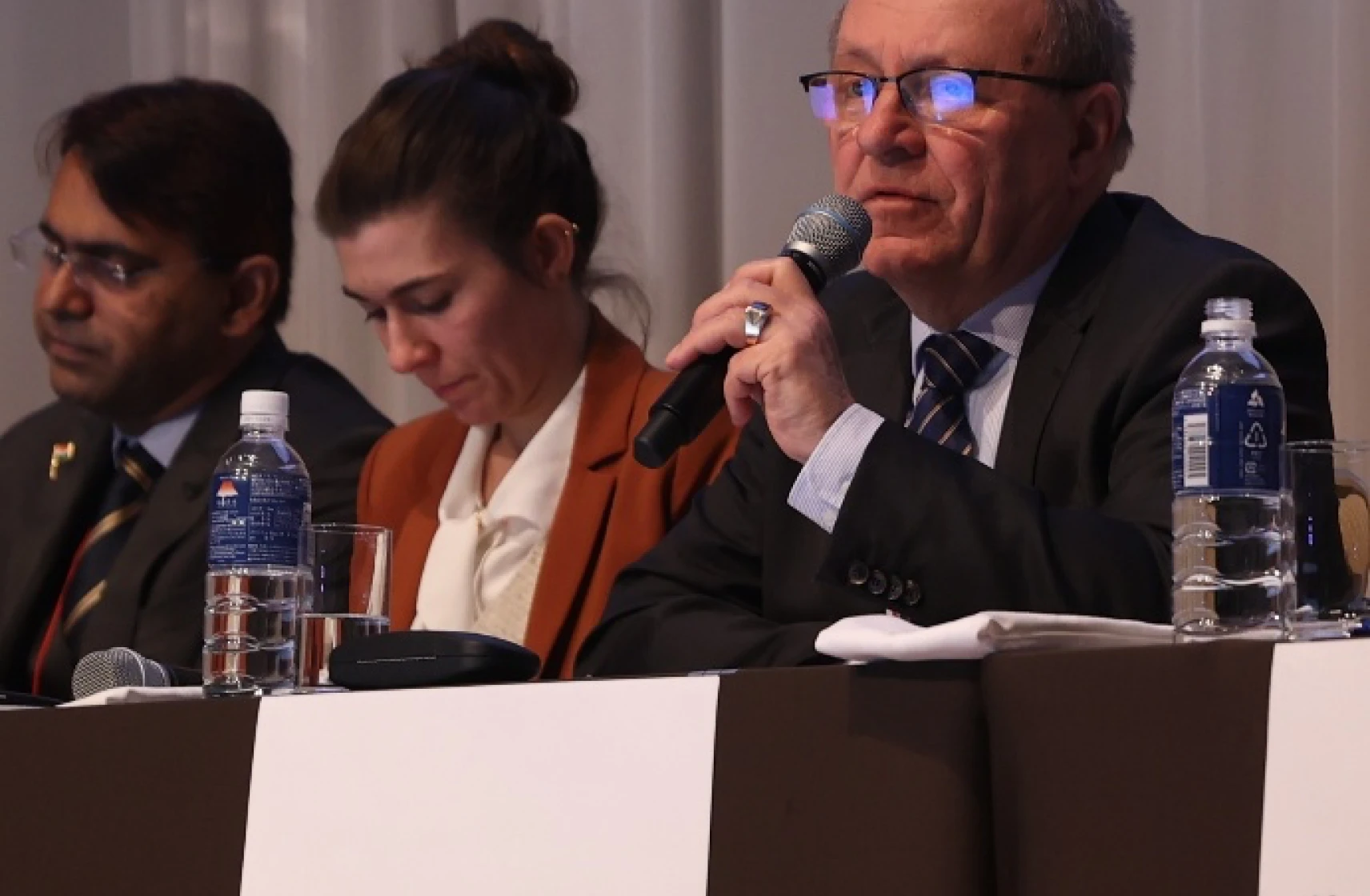
Wassenaar Arrangement (WA) Head of Secretariat Ambassador Dr. György Molnár addressed the Asian Export Control Seminar (AECS) in Tokyo, Japan, on 5 February 2026. His presentation provided an opportunity to promote the establishment of fully effective export controls throughout the Asia-Pacific region.
The Head of Secretariat provided an overview of the WA’s work, focusing on the implementation of WA standards and best practices while underlining the noteworthy updates to the WA Control Lists which were agreed in 2025.
The AECS is organised annually by the Center for Information on Security Trade Control, the Ministry of Economy, Trade and Industry, and the Ministry of Foreign Affairs of Japan.
16 June 2025
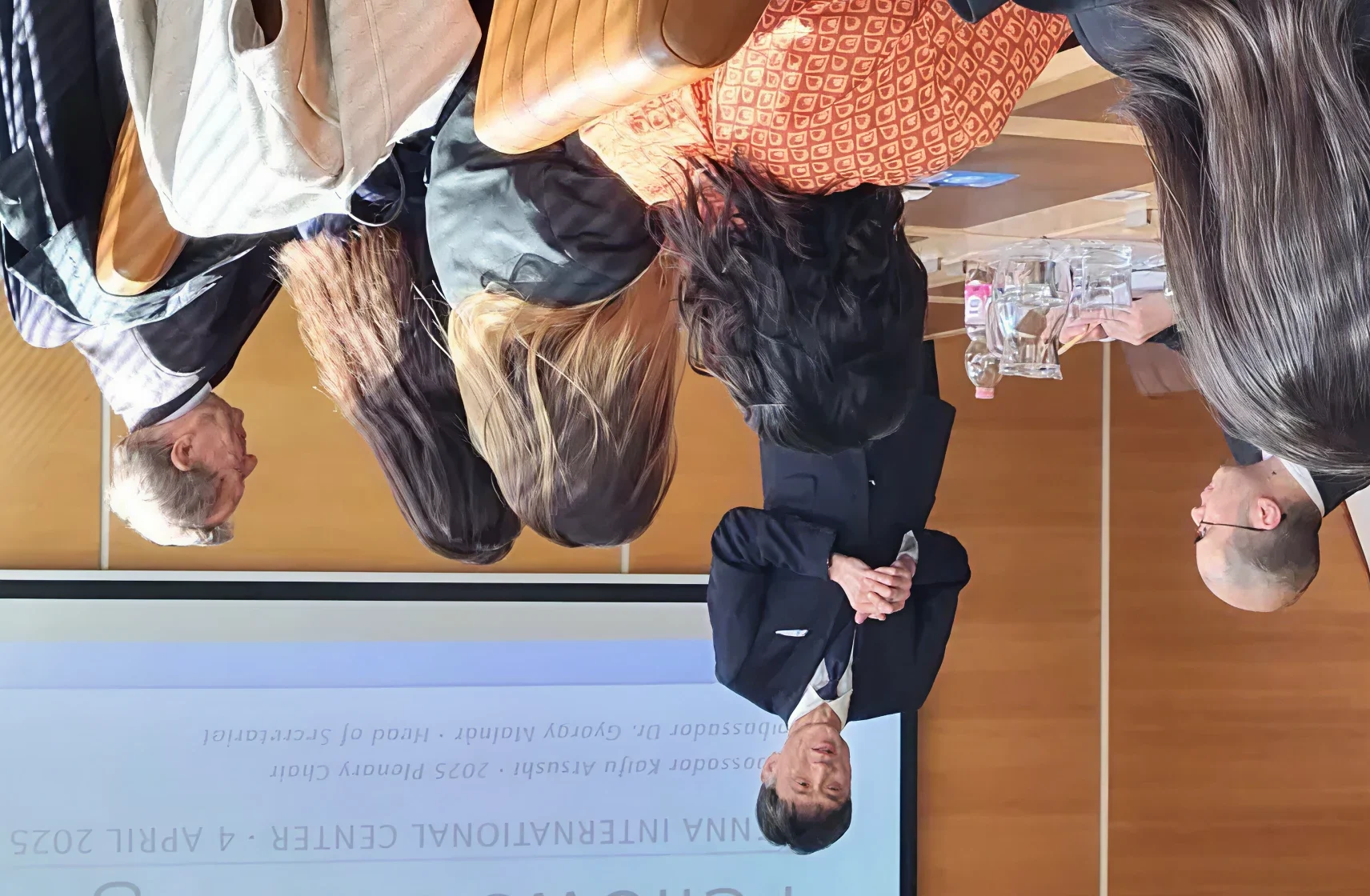
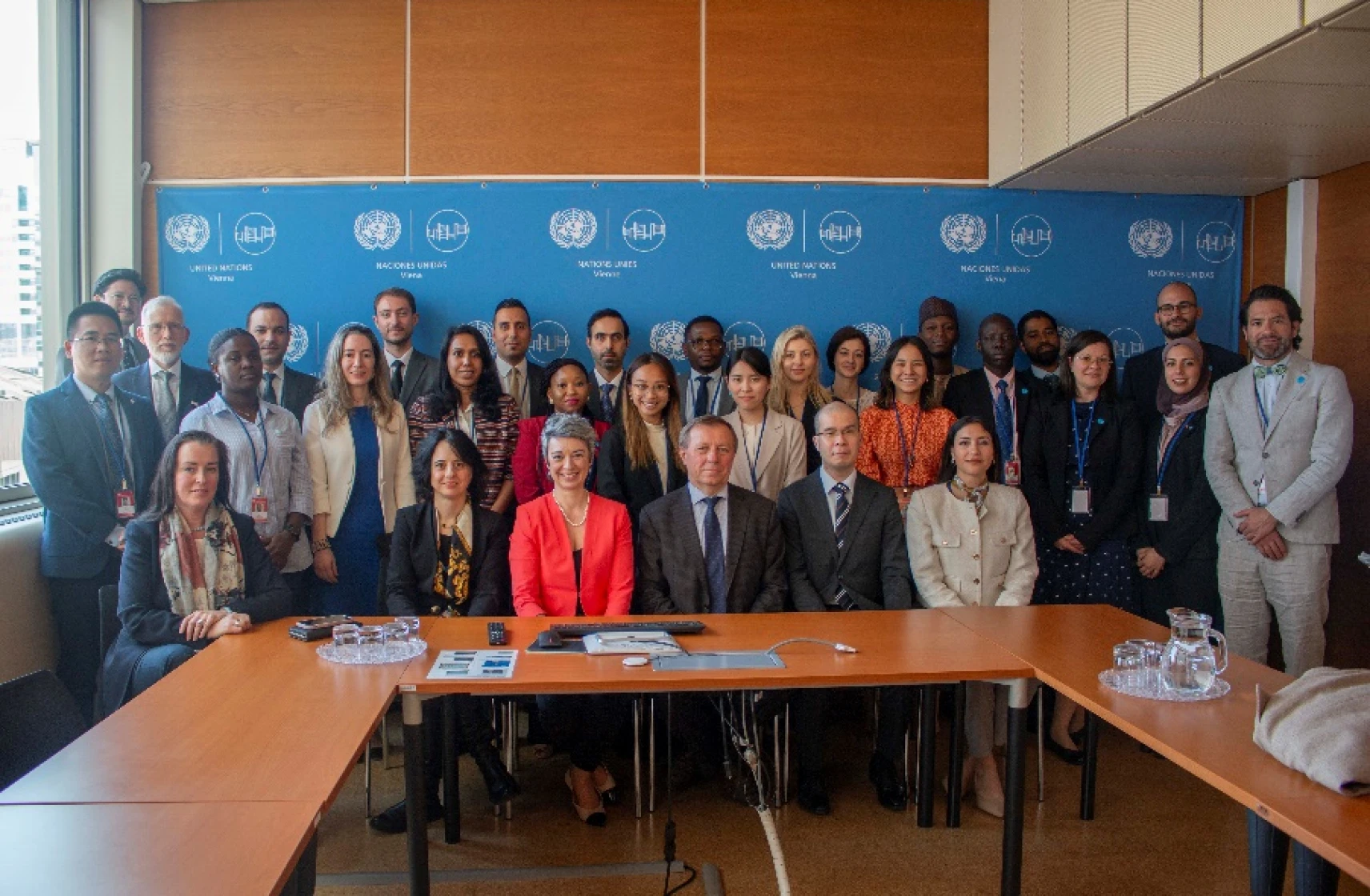
Representatives of 31 outreach partner countries and Participating States took part in an Enhanced Technical Briefing hosted by the Wassenaar Arrangement on 16 June in Vienna. Participating countries included exporters, importers and producers of conventional weapons and dual-use goods and technologies.
Ambassador Kaifu Atsushi (Japan), 2025 Plenary Chair, underlined the value of multilateral cooperation in maintaining fully effective export controls and encouraged governments to take into account accelerating advances in technology and developments in international security as they update their lists of controlled goods and technologies.
Head of Secretariat Ambassador Dr. György Molnár provided an overview of the WA’s work and noted the value of the WA Control Lists as a reference for national systems. He reaffirmed the principles on which the WA was founded, including that it is not directed at any country or group of countries, and that it does not impede bona fide civil transactions.
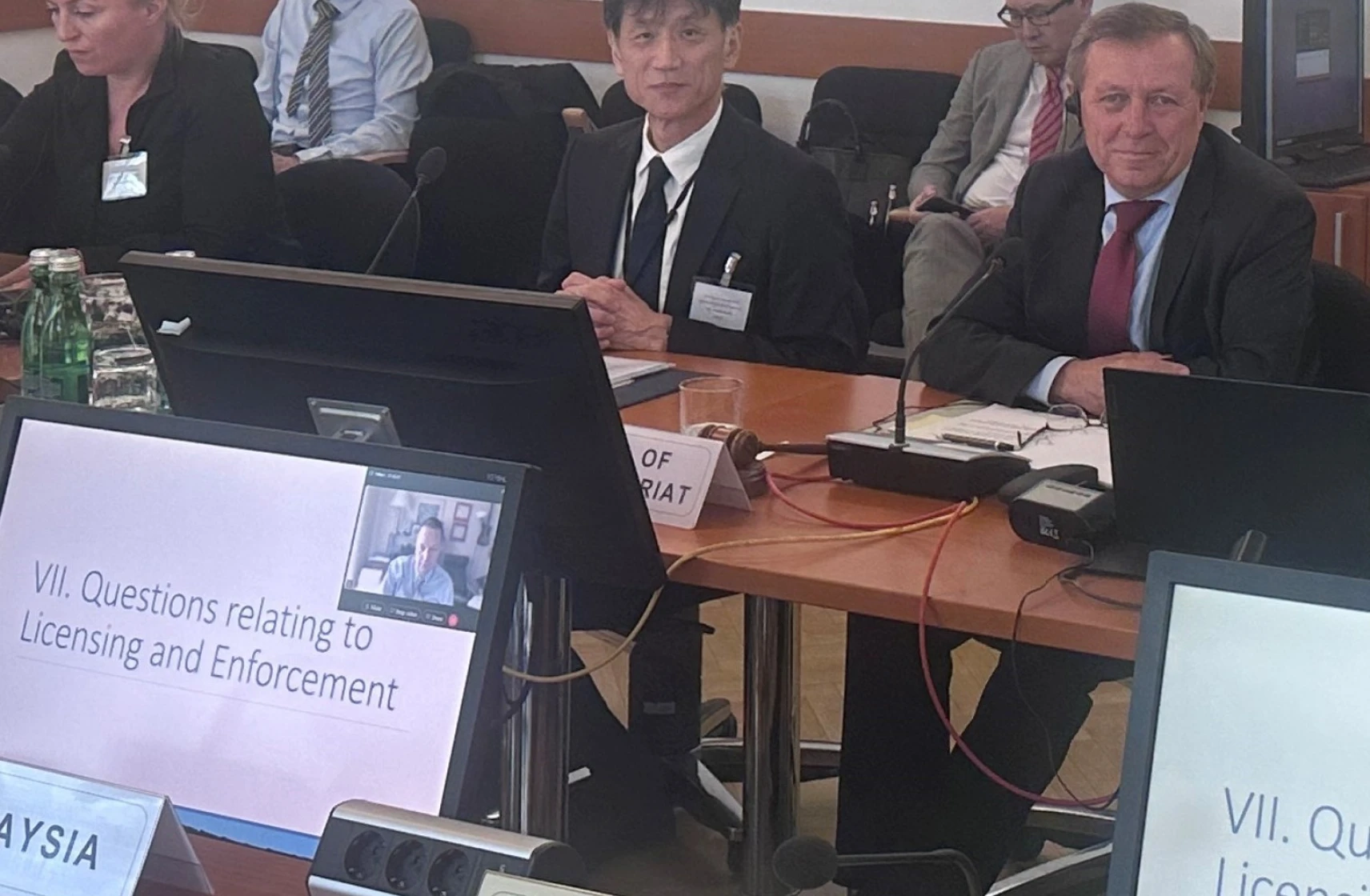
Experts Group Chair Anneth de Witte (Netherlands), Licensing and Enforcement Officers Meeting Chair Christian Larose (Canada) and experts from France, Japan, the United Kingdom, and the United States delivered briefings on significant changes to the WA Munitions List and List of Dual-Use Goods and Technologies adopted over the last two years as well as the implementation of WA standards and best practices. Several outreach partners provided updates regarding their national export control systems.
In light of the end of the Cold War, members of the former COCOM1 export control regime recognised that COCOM’s East-West focus was no longer the appropriate basis for export controls. There was a need to establish a new arrangement to deal with risks to regional and international security and stability related to the spread of conventional weapons and dual-use goods and technologies. Accordingly, on 16 November 1993, in The Hague, at a High Level Meeting (HLM), representatives of the 17 COCOM member states agreed to terminate COCOM, and establish a new multilateral arrangement, temporarily known as the “New Forum”.
This decision was confirmed at a further HLM in Wassenaar, Netherlands on 29-30 March 1994. COCOM ceased to exist on 31 March, 1994. Participating states also agreed to continue the use of the COCOM control lists as a basis for global export controls on a national level until the new arrangement could be established. At this time the former COCOM cooperating countries, namely, Austria, Finland, Ireland, New Zealand, Sweden and Switzerland, were included as participating states in the “New Forum”. With the objective of starting a new arrangement as soon as possible, three Working Groups were established. Working Group 1 was mandated to develop goals, rules and procedures for the new arrangement. Working Group 2 was tasked with developing the lists of goods and technologies that would be controlled, while the third Working Group was tasked to deal with administrative matters.
The Russian Federation, Czech Republic, Hungary, Poland, and the Slovak Republic were welcomed as participating states at the HLM held on 11-12 September 1995 in Wassenaar. With this major milestone accomplished, the Working Groups were urged to expedite their work.
Agreement to establish the “Wassenaar Arrangement” was reached at the HLM held on 19 December 1995, again in Wassenaar, and this was announced with a declaration issued at the Peace Palace in The Hague. At this time there was also agreement to locate the Secretariat in Vienna and establish a Preparatory Committee of the Whole to prepare for the first plenary meeting.
The inaugural Plenary Meeting of the Wassenaar Arrangement was held 2-3 April 1996 in Vienna, Austria. Argentina, the Republic of Korea and Romania were welcomed as additional founding members. Consensus could not be reached on all issues, so the meeting was suspended to provide time to resolve the outstanding issues.
On 11-12 July 1996, the Plenary Meeting resumed, with Bulgaria and Ukraine participating, to make a total of 33 founding members. Final consensus on the “Initial Elements”, the basic document of the WA, was reached and it was established that the new Control Lists and Information Exchange would be implemented from 1 November 1996. The first Plenary Meeting of the now operational Wassenaar Arrangement was held on 12-13 December 1996 in Vienna.
1Coordinating Committee on Multilateral Export Controls
For more information please refer to the respective national authorities by clicking on “National Contacts”.
The name comes from Wassenaar, a suburb of the Hague, the Netherlands, where an agreement was reached in 1995 to start a new type of multilateral co-operation.
Lorem ipsum dolor sit amet, consectetur adipiscing elit. Aenean tempus elit at sodales congue. Cras interdum, lorem eu tristique ornare, nulla nunc volutpat lacus
Lorem ipsum dolor sit amet, consectetur adipiscing elit. Aenean tempus elit at sodales congue. Cras interdum, lorem eu tristique ornare, nulla nunc volutpat lacus
Lorem ipsum dolor sit amet, consectetur adipiscing elit. Aenean tempus elit at sodales congue. Cras interdum, lorem eu tristique ornare, nulla nunc volutpat lacus
Lorem ipsum dolor sit amet, consectetur adipiscing elit. Aenean tempus elit at sodales congue. Cras interdum, lorem eu tristique ornare, nulla nunc volutpat lacus
Lorem ipsum dolor sit amet, consectetur adipiscing elit. Aenean tempus elit at sodales congue. Cras interdum, lorem eu tristique ornare, nulla nunc volutpat lacus
Lorem ipsum dolor sit amet, consectetur adipiscing elit. Aenean tempus elit at sodales congue. Cras interdum, lorem eu tristique ornare, nulla nunc volutpat lacus
Lorem ipsum dolor sit amet, consectetur adipiscing elit. Aenean tempus elit at sodales congue. Cras interdum, lorem eu tristique ornare, nulla nunc volutpat lacus
Vienna, Austria
We’re looking for an experienced engineering manager to join our team.
Full-timeVienna, Austria
We’re looking for an experienced frontend developer to join our team.
Full-timeVienna, Austria
We’re looking for an experienced backend developer to join our team.
Full-time


